Capable of Shooting Down Planes, Penetrating Tanks — The Legendary 88mm
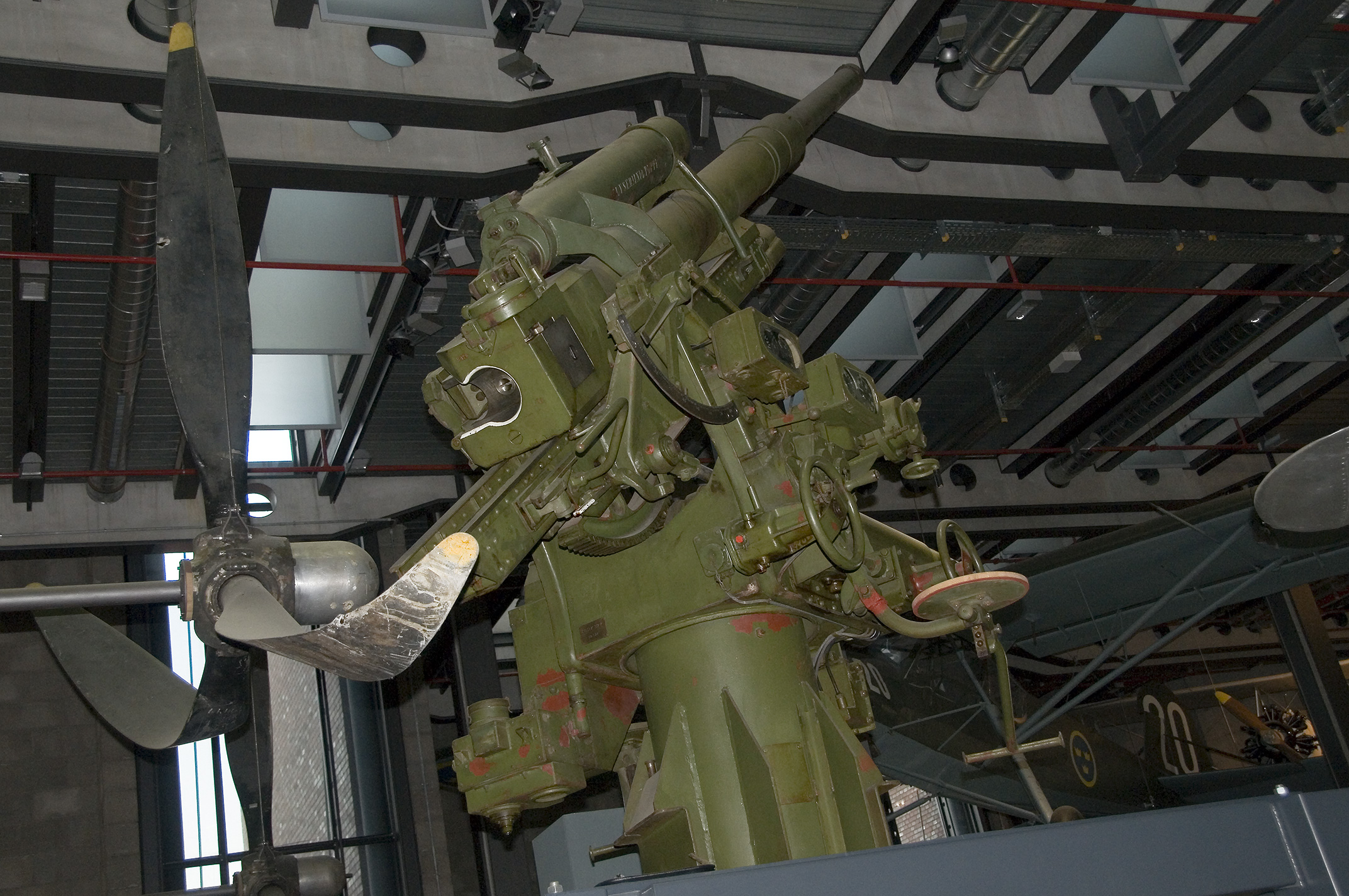
Introduction
Why can only one of the five gunners with 88mm high shells survive the second world war? How did the firecracker designed to shoot down the planes in the first place become the most terrifying anti-tank weapon in the war? What is so special about this weapon that it can shoot down hundreds of bombers and destroy enemy armor targets a few kilometers away? How can its fire control system lead the times decades? Today, we will unveil the complete history of the legendary 88mm cannon in Germany.
Origins
In the early 20th century, the Waller-Alsheim treaty clearly prohibited Germany from developing tanks, planes, cannons and other naval weapons, but Germany was still refining its weapons at high speed. With the disguise of a secret cover action, the Germans are secretly advancing their own expansion plan.
Context & Need
The first world war has proved that military aircraft are in an unwavering position on the battlefield. In the 1930s, aviation technology was rapidly developing, and air threats were no longer limited to reconnaissance or combat aircraft. The new strategic bomber has the ability to fly beyond the range of light weapons and small-toothed high-range cannons. Because of this, Germany must develop a weapon that can fight against enemy air power.
Design & Early Development
According to this goal, Krupp company's engineer received a task to develop a high-speed fire cannon, and the fire cannon must satisfy a series of strict technical standards. After repeated tests and improvements, a weapon quickly named 88mm Flak 18-type high-speed cannon was born. Flak is a German word for high-speed cannon. This fire cannon was originally designed to fire a high-speed cannon. The cannon has adjustable permanent privacy, which can be detected in high-altitude detonation, and can shoot a large number of deadly fragments like bomber groups. A direct hit cannon is enough to easily destroy any fighter at the time.
Versatility & Capabilities
Even if it is a close-range explosion, the impact wave and fragments can also tear the machine, blow the engine, or its cockpit apart, causing fatal damage. In addition to its advanced cross-shaped cannon, this fire cannon is high in precision, powerful, and can quickly turn, rise, and aim all directions. Its angle range is 3 degrees to 85 degrees. This design also allows it to have the ability to hit ground targets. And this multi-functionality quickly gives it a new role that is unimaginable.
Mobility & Crew
German 88mm high-speed cannon weighs about 7 tons, and is controlled by a team of ten people. The design can be driven by a truck or a passenger car, with the mobility required by German combat tactics. A well-trained control team can complete the fire cannon's deployment in a few minutes.
Combat History
In 1936, German troops sent some of the fire cannons along with the old army to the Spanish inner battlefield for a test. The test results attracted high attention from German high-level forces, and this 88mm fire cannon was considered to be the best high-performance weapon at the time. On the Spanish battlefield, this fire cannon was not only used to strike targets in the air, but also used to destroy the fortress and suppress the infantry. What was even more shocking was that it was even used in anti-tank combat.
Anti-Tank Role
At that time, tank armor was still difficult to resist light weapons, and it was naturally impossible to fight against high-speed high-speed fire cannons. However, several years later, as the war broke out in the New World War, everything will change completely. During the war in 1939, Germany deployed about 2,600 of the 88mm high-speed cannons. German troops soon received a confirmation of the needs of this weapon. During the entire second war, the total production of 88mm fire cannons was more than 20,000.
Upgrades & Fire Control
After this, many improved models were tested. For example, the Flak 36 model. Flak 37 model also had a skinship but it also used a removable cannon. It was equipped with a new cannon to Monroe the speed of deployment, and in the P炮y for the gunобupper to maintain the high speed of the cannon, it improved the cannon structure and bullet system to improve its ability to continue to fight. Flak 37 to later appear not only upgraded the accurate device, and also introduced standard smoke data interface, which can be accessed through thekins that come from the fire command center. It can automatically calculate the firepower of the design center and transmit the parameters to all the firepower of the artillery. This design was called experience at that time.
Late War & Legacy
With its accurate scope and high-speed cannon, it can effectively destroy most of the German tanks in the open battlefield. In 1943, the air situation in Germany turned upside down. Many times, the civilians in the city could not rest in peace. At the end of World War II, many high-tank cannons became the last fortifications of the Viennese resistance, and one of the last sites to surrender in the Battle of Berlin. I am Wu Wuli. Thank you for watching. See you next time.