Recreate the Miracle on the Hudson — Can We Do It?
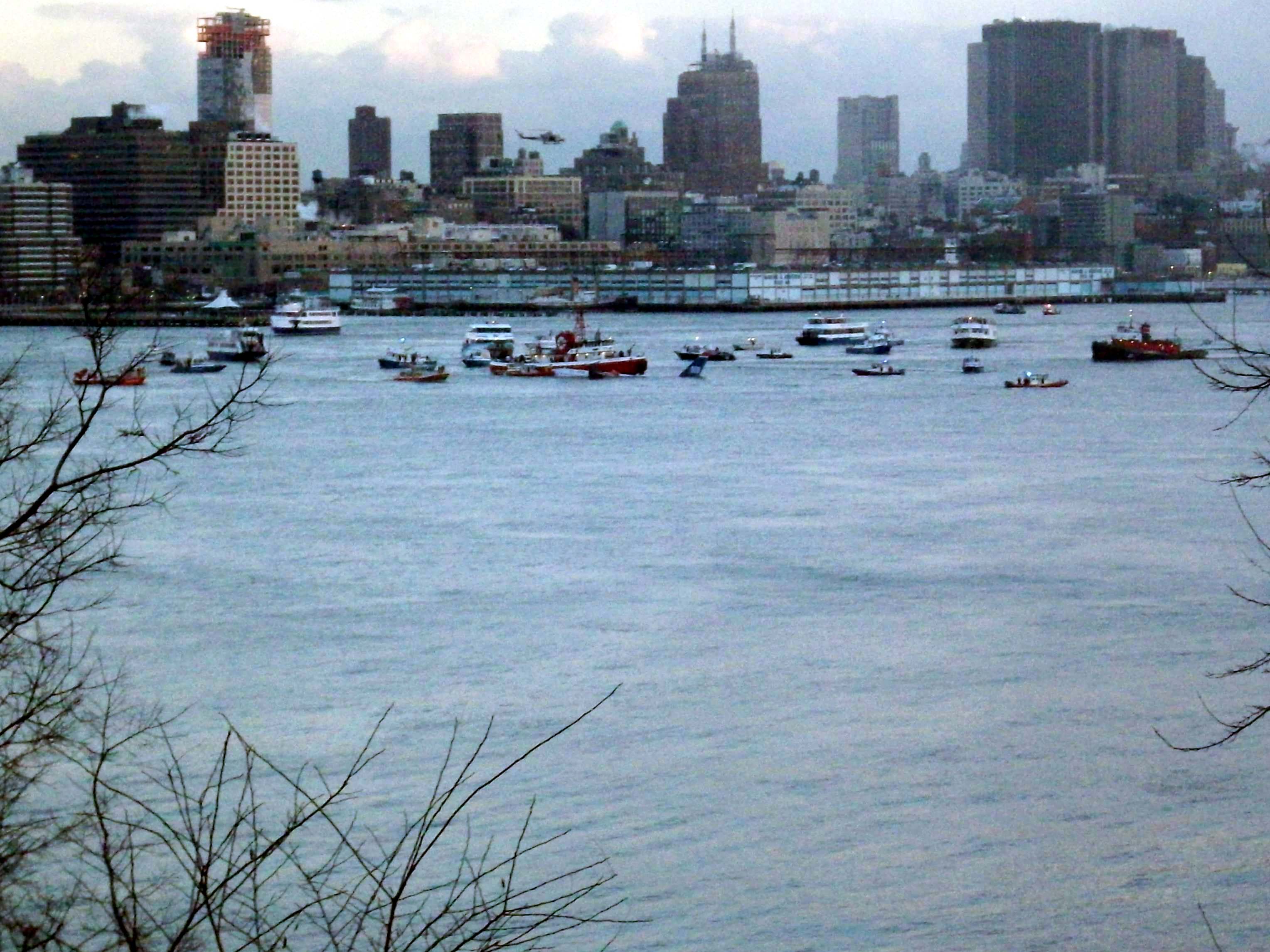
Introduction & Participants
Hello everyone, I am your pilot, welcome to this episode of the Phoenix. In today's video, we have invited very good Kachilya Chang from B station and the 320 pilot from Konkuk. Please introduce yourself. Hello everyone, I am the commander of 2212. I am an flying friend and also a painting enthusiast.
Equipment & Simulation Tools
We have installed the Phoenix Kachilya with the Winged Bear and the Crystal Super from Pemex. To simulate the incident of flight 1549 that broke down in Hudson, we use the newest Crystal Super from Pemex. We even selected the part with the highest value and have whole recordings of the call and situation to reproduce the event faithfully.
Preflight Setup
We checked weather and configured the morning flight plan. The crew described setup steps, checks (APU, thrust, swirls), and rotation calls: "Air 1241549, runway 4, clear for takeoff."
Takeoff & Early Flight
Takeoff procedures: 80 knots, rotate, climb, gear up. The team commented on the Hudson view and monitored instruments closely as they climbed to a few thousand feet and adjusted attitude and speed.
Simulating Engine Failure
During the simulation, a mayday call: "Mayday, mayday, mayday. This is cactus 1549. We hit birds. We have lost thrust on both engines." The crew practiced turning, assessing thrust, and managing altitude/speed under degraded power.
Emergency Handling
The simulation stressed the rapid loss of thrust, the limited control authority, and the need to trade speed for altitude. Participants ran through checklist actions and attempted a controlled descent toward the water as in the real event.
Challenges & Limits of the Simulator
The team noted differences from real aircraft behavior, some limitations of the Phoenix connector and VR device, and the difficulty of maintaining centerline and precise control during sudden failures. The simulation revealed how quickly speed can bleed off after a thrust loss.
Reflections on Pilot Training
Participants expressed deep respect for professional pilots and the strict training systems in the aviation industry. They emphasized that simulators can strengthen skills but real-world conditions require rigorous professionalism and continual training.
Conclusion & Thanks
Overall, the team found the simulation valuable and immersive. They thanked participants, encouraged support for aviation safety, and closed with gratitude to the hosts and viewers: "See you next time. Bye bye."